The $180,000 Weekend That Changed How We Think About Yard Protection
It was a Sunday morning in October 2024. A logistics manager in southeast Calgary arrived at his yard to find three trailers broken into, $180,000 in electronics cargo missing, and his gate camera recording nothing but a black screen. The thieves had cut the power line before entering. Forty-seven minutes. That's how long it took them to load up and disappear into the night.
Here's what stings most: that company had security. They had cameras. They had a padlock on the gate. But they had no one watching in real time, no response protocol, and no layered protection. They had the illusion of security, not actual security.
This story isn't unique. Calgary recorded approximately 375 cargo theft incidents in 2024 alone. Across Canada, truck theft reports surged 66% year-over-year. Full truckload thefts now account for 64% of all cargo crime. And the worst part? Most of it is preventable.
If you operate a truck yard in Calgary, you already know the anxiety. You've probably wondered whether your current setup is actually protecting your assets or just making you feel better. This guide will give you honest answers, real strategies, and a clear picture of what effective truck yard security in Calgary actually looks like in 2025.
Why Calgary Yards Are Prime Targets Right Now
Calgary sits at the intersection of major transportation corridors. The Trans-Canada Highway, Highway 2, and the city's industrial northeast quadrant make it a logistics hub for goods moving across Western Canada. That's great for business. It also makes Calgary yards attractive to organized theft rings that follow freight patterns.
Here's something most security companies won't tell you: professional cargo thieves do reconnaissance. They watch yards for days before striking. They know your shift change times. They know which nights your guard takes a longer break. They know which cameras have blind spots. These aren't opportunistic criminals grabbing what they can. They're running operations.
The northeast Calgary industrial corridor, including areas around Stoney Trail and 36th Street NE, sees disproportionate theft activity compared to other parts of the city. Seasonal patterns matter too. Theft spikes in late fall and winter, when longer nights give criminals more cover and your staff is less likely to be outside doing perimeter checks in minus-20 weather.
Understanding these patterns is the first step toward building a protection plan that actually works. Your construction site security and commercial security needs share some overlap with yard protection, but truck yards have unique vulnerabilities that demand specialized solutions.
The Myth That Guards Alone Will Protect Your Yard
Let me say something that might surprise you coming from a security company: guards alone are not enough for most truck yards.
A single guard cannot monitor a 5-acre yard with 200 trailers, multiple entry points, and blind spots behind equipment rows. They can't be at the gate and the back fence simultaneously. Experienced thieves know this. They create diversions at one end of the yard while their partners work the other end.
I've seen this play out repeatedly. A guard gets called to investigate a suspicious noise near the fuel tanks. Meanwhile, a trailer on the opposite side gets broken into. By the time the guard circles back, the thieves are gone. The guard did everything right. The system failed.
This doesn't mean guards aren't valuable. They're essential. But they need to be part of a layered system, not the entire system. The most effective protection combines human judgment with technology coverage, creating overlapping layers that are much harder to defeat than any single measure.
The question isn't "guards or cameras." It's "how do we deploy both to eliminate blind spots and ensure real-time response capability?"
What a Layered Protection System Actually Looks Like
Effective truck yard security services in Calgary follow a principle borrowed from military security: defense in depth. Multiple overlapping layers mean that defeating one measure doesn't give access to everything.
Here's how a properly layered system works in practice:
Layer 1: Perimeter Control.
Physical barriers, proper lighting, and clear sightlines. This sounds basic, but you'd be surprised how many yards have dark corners, overgrown vegetation near fences, or unlocked secondary gates that nobody uses but also nobody monitors. A proper perimeter assessment identifies these vulnerabilities before criminals do.
Layer 2: Access Control.
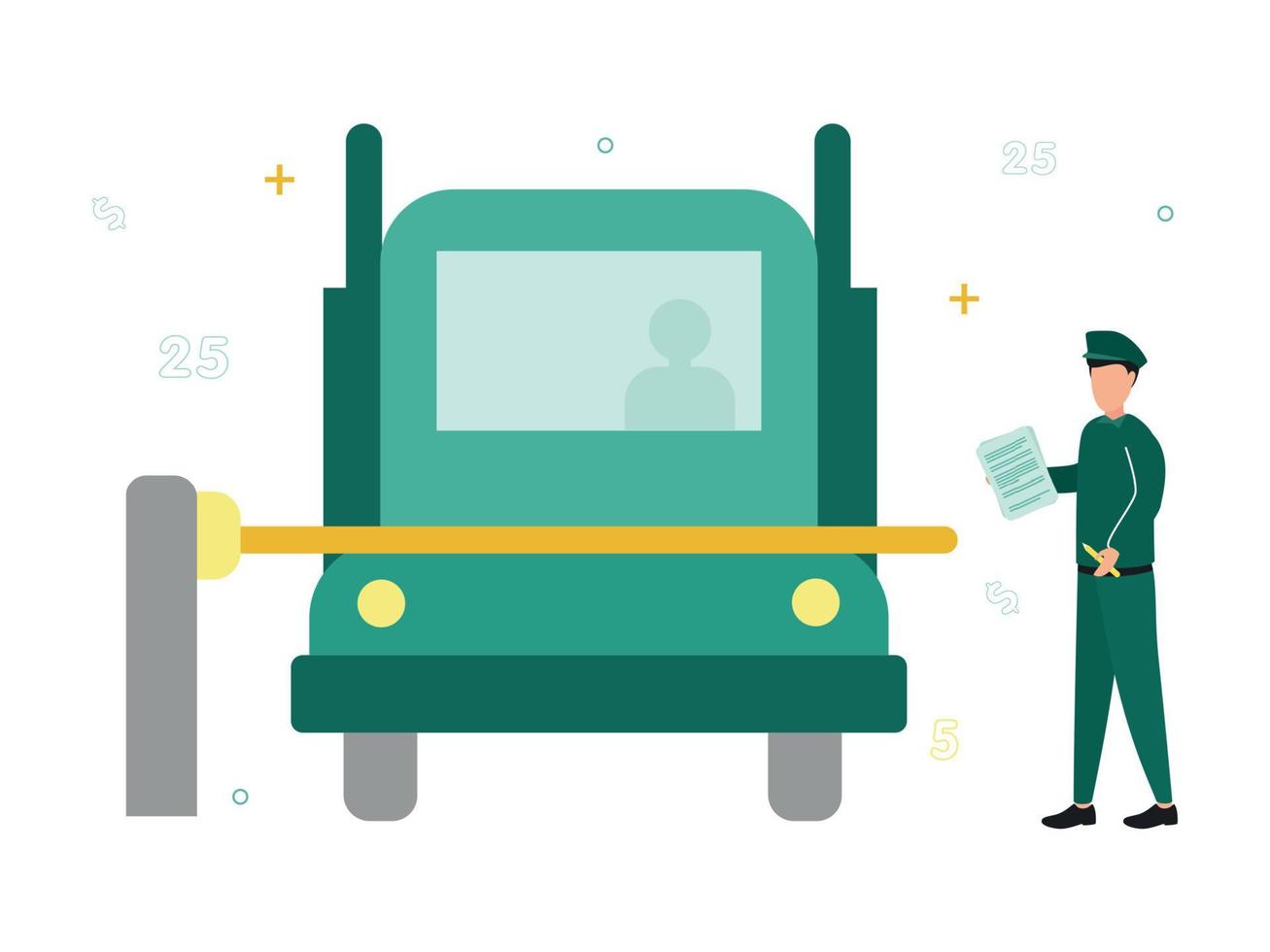
Every person and vehicle entering your yard should be verified and logged. This means gate protocols, driver identification checks, and a record of every entry and exit. Modern access control systems can integrate with your dispatch software to cross-reference expected arrivals against actual entries.
Layer 3: Surveillance Coverage.
CCTV cameras positioned to eliminate blind spots, with proper lighting to ensure usable footage at night. The key word is "usable." Low-resolution cameras in poor lighting give you footage that's worthless for identifying suspects. Invest in quality or don't bother.
Layer 4: Active Monitoring.
This is where most yards fall short. Recorded footage is evidence after the fact. Live monitoring is prevention. Whether that's an on-site guard watching camera feeds or a remote monitoring service, someone needs to be watching in real time.
Layer 5: Response Capability.
When something is detected, how fast can you respond? This means clear protocols, direct law enforcement contacts, and guards positioned to respond quickly. Bravo Security's mobile patrol security services complement on-site guards by providing rapid response coverage across multiple locations.
The Inside Job Problem Nobody Talks About
Here's a statistic that should concern every yard manager: industry estimates suggest that 30-40% of cargo theft involves some level of insider knowledge or participation. That means your employees, contractors, or regular drivers may be providing information to theft rings, whether knowingly or unknowingly.
This isn't about distrusting your team. It's about creating systems that protect honest employees from being exploited and make it harder for bad actors to operate.
Effective insider threat prevention includes background screening for all yard personnel, strict access tiering so employees only have access to areas relevant to their role, and monitoring protocols that flag unusual patterns. A driver who regularly arrives 20 minutes early and lingers near trailers they're not assigned to is worth a second look. A guard who always takes breaks at the same time might be creating a predictable window.
Bravo Security's approach to loss prevention security incorporates these considerations into yard security planning. We evaluate not just physical vulnerabilities but operational patterns that could be exploited.
How to Customize Protection for Your Specific Yard Type
Not all truck yards are the same, and cookie-cutter solutions fail because they don't account for operational realities.
Small Owner-Operated Yards (under 50 units):
These yards often can't justify full-time on-site guards. Mobile patrol combined with monitored cameras and strong access control provides cost-effective coverage. The key is ensuring patrol frequency matches your risk level, which is higher than most small operators realize.
Mid-Size Logistics Hubs (50-200 units):
These yards typically need a combination of on-site guards during peak hours and monitored surveillance during off-hours. Gate control is critical here because the volume of traffic creates opportunities for unauthorized vehicles to slip through during busy periods.
Large Distribution Centers (200+ units):
Full-time on-site security with multiple guards, comprehensive camera coverage, and integrated access control systems. At this scale, incident documentation and reporting become critical for insurance compliance and operational improvement.
Specialized Cargo Yards (high-value goods, hazmat, pharmaceuticals):
These require enhanced protocols including additional access restrictions, more frequent patrols, and potentially armed security depending on cargo value. Regulatory compliance adds another layer of complexity.
During your initial assessment, Bravo Security evaluates your specific yard type, cargo profile, operational hours, and existing infrastructure to build a plan that fits your actual needs rather than a generic template.
The Real Cost of Inadequate Protection
Let's talk numbers, because this is ultimately a business decision.
The direct cost of a single trailer theft in Calgary ranges from $50,000 to $300,000 depending on cargo value. But that's just the beginning. Add insurance deductibles, which typically run $10,000-$50,000 for commercial cargo claims. Add the cost of the investigation and documentation. Add the operational disruption of a missing trailer. Add the potential liability if the theft involved customer goods.
Then there's the insurance premium impact. Multiple theft claims can increase your commercial vehicle insurance by 20-40% or trigger policy cancellation. A single major incident can cost more than three years of professional security services.
Here's the contrarian view: professional yard protection isn't an expense. It's an insurance product that pays for itself. A comprehensive program for a mid-size Calgary yard typically runs $8,000-$20,000 per month depending on guard hours and technology. One prevented major theft pays for 12-18 months of that service.
Beyond direct financial impact, there's the operational cost of theft. Delayed deliveries damage customer relationships. Repeat incidents affect your ability to win contracts. Some shippers specifically require documented security protocols before awarding business. Your security posture is increasingly a competitive factor, not just a risk management issue.
Choosing the Right Technology for Calgary Conditions
Calgary's climate creates specific challenges for security technology that most vendors don't address directly. Equipment rated for mild weather fails at minus-30. Camera lenses fog in rapid temperature changes. Motion sensors trigger constantly in heavy snowfall. Batteries in wireless devices drain faster in cold.
When evaluating technology for your Calgary yard, ask vendors specifically about cold-weather performance ratings. Cameras should be rated for at least minus-40 Celsius. Motion sensors should have adjustable sensitivity to reduce false alarms in winter conditions. Any battery-powered devices need either heated enclosures or very frequent battery replacement schedules.
For camera systems, the Axis Communications Q-series and Bosch FLEXIDOME cameras are well-regarded for cold-weather performance. Hikvision's DS-2CD series also performs reliably in Alberta winters. These aren't the cheapest options, but cheap cameras that fail in January are worthless.
Access control systems should use heated card readers or keypad enclosures. Biometric systems such as fingerprint readers are generally unreliable in cold weather and should be avoided for exterior applications in Calgary.
Bravo Security's fire watch security services team has extensive experience with cold-weather equipment deployment, and that expertise informs our technology recommendations for yard protection as well.
How Professional Security Reduces Your Insurance Costs
This is the conversation most security companies never have with their clients, and it's one of the most financially significant aspects of the decision.
Insurance underwriters for commercial trucking and logistics operations increasingly require documented security protocols as a condition of coverage. Beyond compliance, demonstrated security measures directly influence your premium calculations.
Specific measures that typically reduce commercial property and cargo insurance premiums include: 24/7 monitored surveillance with documentation, professional guard services with incident logs, access control systems with entry/exit records, and formal security assessment documentation.
When renewing your commercial insurance, provide your broker with documentation of your security measures. Request a premium review specifically citing your security investments. Many yard operators discover they've been overpaying for years because they never connected their security spending to their insurance negotiations.
Bravo Security provides detailed incident logs and security documentation that you can submit to your insurance broker. Some of our clients have documented premium reductions of 15-25% following implementation of comprehensive security programs. That's a direct financial return on your security investment, separate from theft prevention.
What Happens After an Incident: Response and Documentation
The quality of your response to a security incident determines how much of your loss you recover and how quickly you return to normal operations.
Most yards have no formal incident response protocol. When something happens, it's chaos. People call the wrong numbers, evidence gets contaminated, and critical documentation is missing when you need it for insurance claims or police investigations.
A proper incident response protocol includes: immediate notification chain (who calls who, in what order), evidence preservation procedures (don't touch anything until police arrive), camera footage preservation (most systems overwrite after 30 days), and documentation requirements for insurance claims.
Bravo Security guards are trained in incident documentation and evidence preservation. Every incident generates a detailed written report that includes timeline, observations, actions taken, and follow-up requirements. This documentation is invaluable for insurance claims and often makes the difference between a successful claim and a denied one.
The bank security protocols we apply to high-security environments inform our incident response training across all service areas, including fleet and yard protection.
Seasonal Adjustments for Calgary Yards
Most security plans are static. They're designed once and never updated. This is a significant mistake in a city with Calgary's climate and seasonal theft patterns.
Winter (November-March) brings longer nights, reduced staff presence, and weather conditions that make perimeter checks less frequent. This is peak theft season. Your security posture should increase during these months, not decrease. Additional patrol frequency, enhanced lighting, and more frequent camera checks are appropriate.
Spring (April-May) brings thaw conditions that can damage perimeter fencing and create new vulnerabilities. A spring audit should include physical inspection of all fencing, gates, and barriers.
Summer (June-August) brings higher traffic volumes and more contractor activity. Access control becomes more critical when you have more people legitimately on-site, because it's easier for unauthorized individuals to blend in.
Fall (September-October) is the second peak theft season as organized theft rings prepare for the holiday shipping surge. Cargo values increase as retailers stock up, making trailers more attractive targets.
Bravo Security recommends quarterly security reviews to adjust protocols based on seasonal factors, recent incident patterns, and any operational changes at your facility. Our residential security and condominium security teams follow the same seasonal adjustment philosophy, ensuring protection stays current year-round.
Getting Started: Your Yard Security Assessment
The right starting point for any security improvement is an honest assessment of where you are now. Not a sales pitch. An actual evaluation of your vulnerabilities and the most cost-effective ways to address them.
Bravo Security's assessment process for truck yards includes: physical perimeter inspection, camera coverage mapping to identify blind spots, access control evaluation, operational pattern review, and a written report with prioritized recommendations.
The assessment is the foundation of everything else. Without it, you're guessing. With it, you can make informed decisions about where to invest your security budget for maximum impact.
We've conducted assessments for yards ranging from 10 trucks to 400 units across Calgary and the surrounding area. The most common finding? Existing security investments are undermined by a few critical gaps that cost relatively little to fix but dramatically improve overall protection.
The Bottom Line: Security Is a Business Decision, Not Just a Safety Measure
The logistics companies that lose the least to theft in Calgary aren't the ones with the biggest security budgets. They're the ones who treat security as a business system, not an afterthought.
They've done the math. They know what a theft incident costs them. They've matched their security investment to their actual risk level. They review and update their security posture regularly. And they've chosen security partners who understand their business, not just security in the abstract.
Bravo Security has been protecting Calgary businesses for years. We've seen what works and what doesn't. We've helped clients recover from major incidents and helped others prevent incidents entirely. The difference almost always comes down to preparation, layering, and honest assessment of vulnerabilities.
If you're not sure whether your current security is adequate, that uncertainty is your answer. A yard that's properly protected doesn't leave you wondering.
Contact Bravo Security today for a no-obligation truck yard security assessment. We'll tell you honestly what we find, what we recommend, and what it will cost. No pressure, no generic proposals, just a real evaluation of your specific situation.
Because the next Sunday morning, you want to arrive at your yard and find everything exactly where you left it.
Get Your Free Security Assessment | Call (403) 351-1700 | info@bravosecurity.ca
Related Services: Construction Security | Commercial Security | Mobile Patrol | Loss Prevention | Fire Watch Security | Bank Security | Residential Security | Condominium Security